There’s something about Lisbon and its surrounding coastline that immediately slows your breathing. Maybe it’s the Atlantic air, heavy with salt, or the easy rhythm of life tied to tides and tramlines. Either way, this trip felt like a gentle unfolding – from wild beaches and fishing boats to tiled alleyways and wide river views—each stop adding a new texture to the journey.
We began south of Lisbon, where the Arrábida Natural Park rises sharply from the sea. The landscape here is dramatic: limestone hills plunging into water so clear it barely seems real. Early one morning, while the sun was still low and the beaches quiet, I joined a small guided fishing trip. We set off in a modest boat, the kind that feels deeply connected to local tradition rather than tourism. There was something grounding about it all – hands salty, lines cast, seabirds overhead. When we finally pulled in our catch – a mix of snapper, seabream and mackerel – it felt less like a novelty and more like participation in a rhythm that’s been repeating here for generations.
Back on shore, Arrábida continued to impress. I spent part of the day sea kayaking along the coastline, gliding past cliffs and hidden coves that are impossible to access by land. The water shifted from turquoise to deep blue as we paddled, and every turn revealed another quiet corner to explore.
Lunch that day was a highlight. At Farol restaurant, perched above the sea, seafood took center stage. Plates arrived simply prepared and perfectly fresh – they even cooked our catch from the morning's fishing trip – the flavours enhanced rather than disguised. Eating fish so close to where it was caught, with the ocean stretching endlessly below the terrace, felt like a continuation of the morning rather than a break from it.
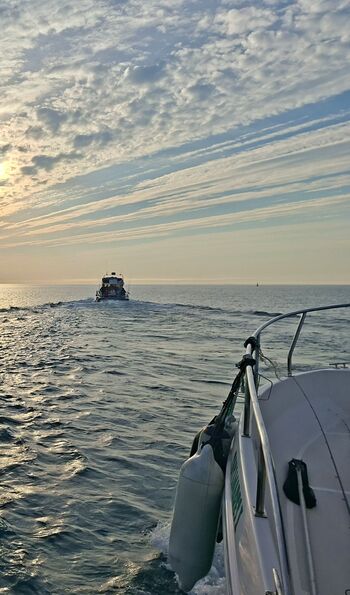
Fishing trip in Arrábida Natural Park
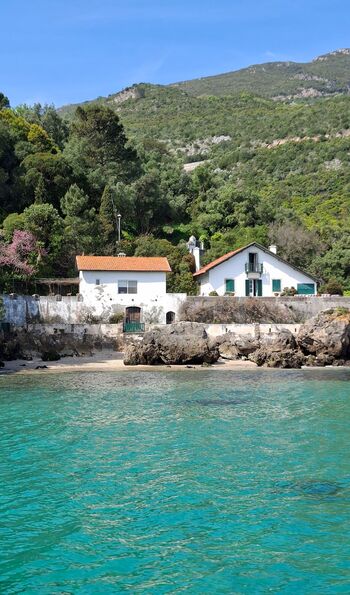
Arrábida Natural Park
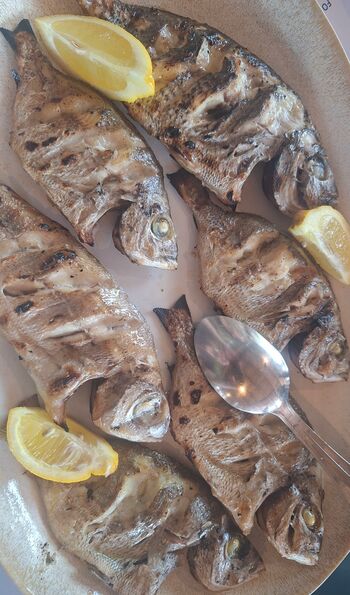
Catch of the day at Farol Restaurant in Arrábida
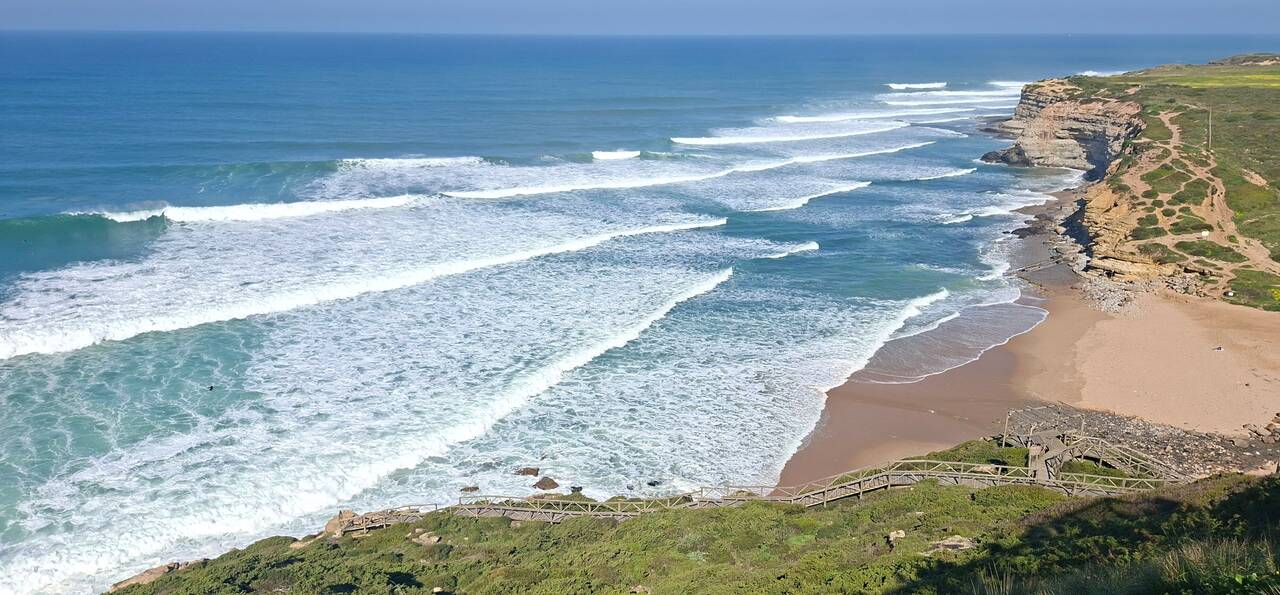
From there, we travelled north to Ericeira, a town internationally respected for its waves yet still unmistakably Portuguese at heart. Our base was Vila Galé Ericeira Hotel, located right on the coast with gorgeous ocean views. Looking out over the coastline, it was easy to understand why surfers from around the world gravitate here. Indeed, the surrounding coastline – eight kilometres of it in total – forms what was Europe's first World Surfing Reserve, and one of only two in the continent along with North Devon in the UK.
One of the most interesting stops in Ericeira was a visit to a local surfboard factory. Watching boards take shape – from foam blanks to finely finished tools of the trade – gave real insight into the craftsmanship behind the sport. Each board felt personal, built for a specific style and set of conditions, and deeply connected to the local surf culture.
After that, wandering Ericeira’s old town was a pleasure. Narrow lanes twisted between whitewashed buildings splashed with color, laundry flapping overhead, cafés humming with conversation. It’s the kind of place that encourages slow exploration: stopping for coffee, browsing small stores, and watching daily life unfold at its own pace.
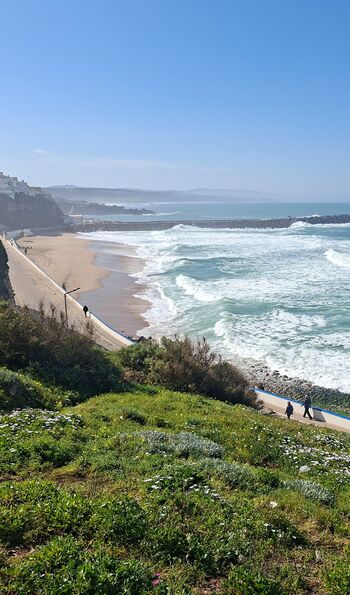
View of Ericeira and the World Surfing Reserve in Portugal
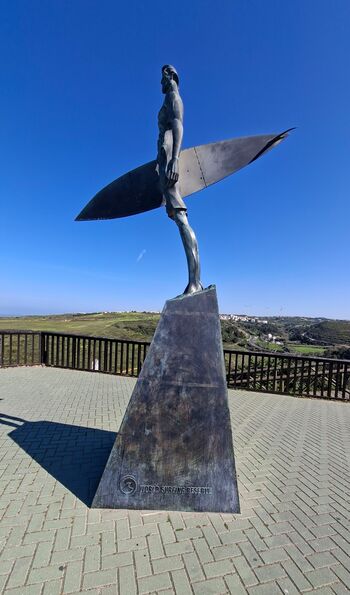
World Surfing Reserve in Portugal
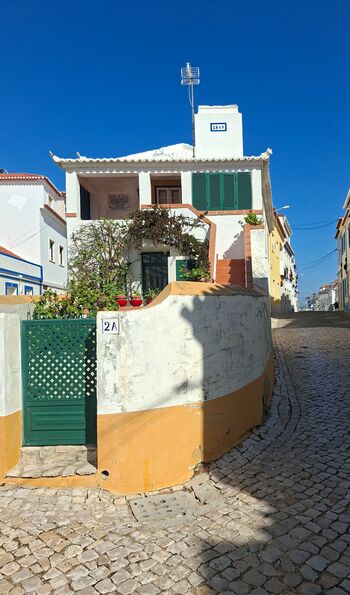
Cobbled streets and a colourful house in Ericeira's old town
Our journey then curved back towards Lisbon, with a lunchtime stop in Cascais. At Palaphita Cascais, set above the ocean, the view competed with the food for attention. Surrounded by wood structures and greenery, it felt relaxed and beachy, perfectly attuned to its coastal setting.
From Cascais, we boarded a private catamaran and set sail along the Oeiras coastline towards Lisbon. Seeing the city from the water offers a totally different perspective. Palaces, beaches, and modern waterfronts slid by as the skyline gradually grew more familiar. The breeze was steady, the Atlantic calm, and Lisbon revealed itself slowly rather than all at once.
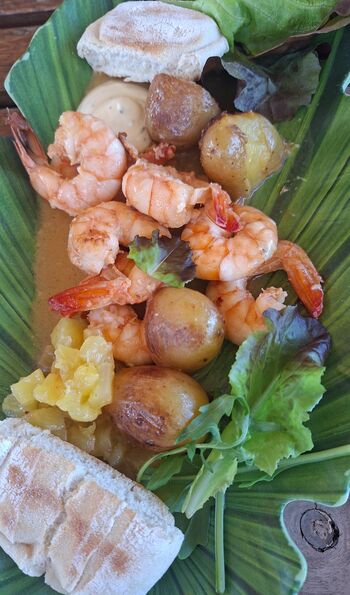
Lunch at Palaphita Cascais
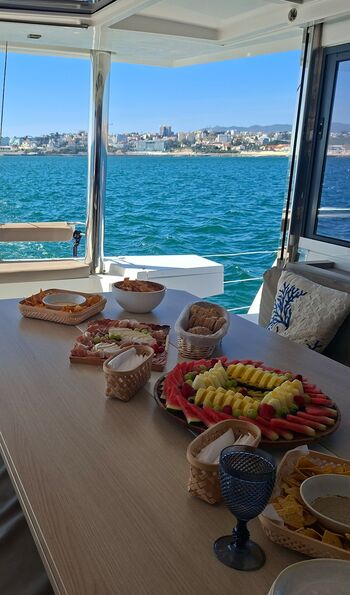
Catamaran trip from Cascais to Lisbon
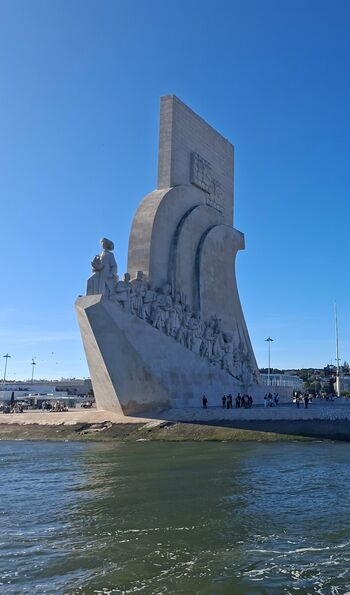
Arriving in Lisbon past the Padrão dos Descobrimentos (Monument of the Discoveries)
Once in the city, I spent a full day exploring on foot. Lisbon is a city best absorbed this way, step by step. We moved through central squares, past grand historic buildings, then uphill into older neighbourhoods where the streets narrow and stories feel closer to the surface. Alfama’s winding alleys, viewpoint vistas across terracotta rooftops, the echoes of music spilling from doorways – it all felt layered and lived-in. For a taste of the city, head to the excellent Time Out Market for everything from fresh seafood to delicious pastel de nata (Portuguese custard tarts), all just a short stroll from the waterfront, or call into one of the many street-side restaurants and cafés that line Rua Augusta all the way from Praça do Comércio to Rossio Square. Then, as evening arrives, make your way to Bairro Alto, Alfama or Mouraria for a traditional fado show.
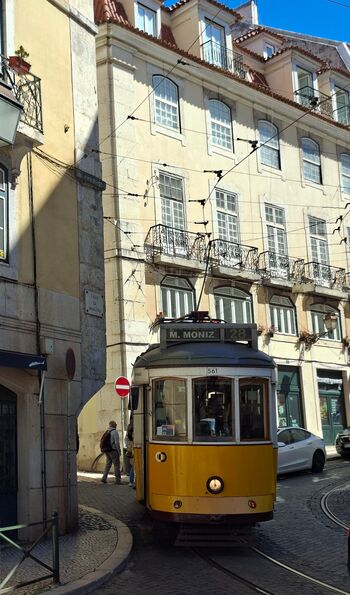
One of Lisbon's famous trams in the Alfama district
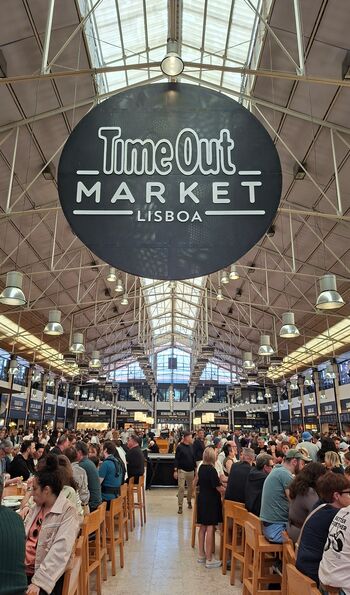
Time Out Market in Lisbon
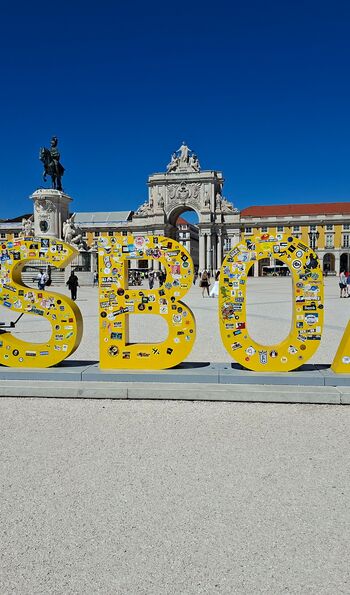
Praça do Comércio (Commerce Square), Lisbon
What struck me most about this trip was its balance. Wild nature and city life, tradition and creativity, ocean mornings and urban evenings. Lisbon may be the anchor, but it’s the surrounding coast that gives the experience its breadth – and makes you want to come back and explore even more.